What Is Breast Cancer?
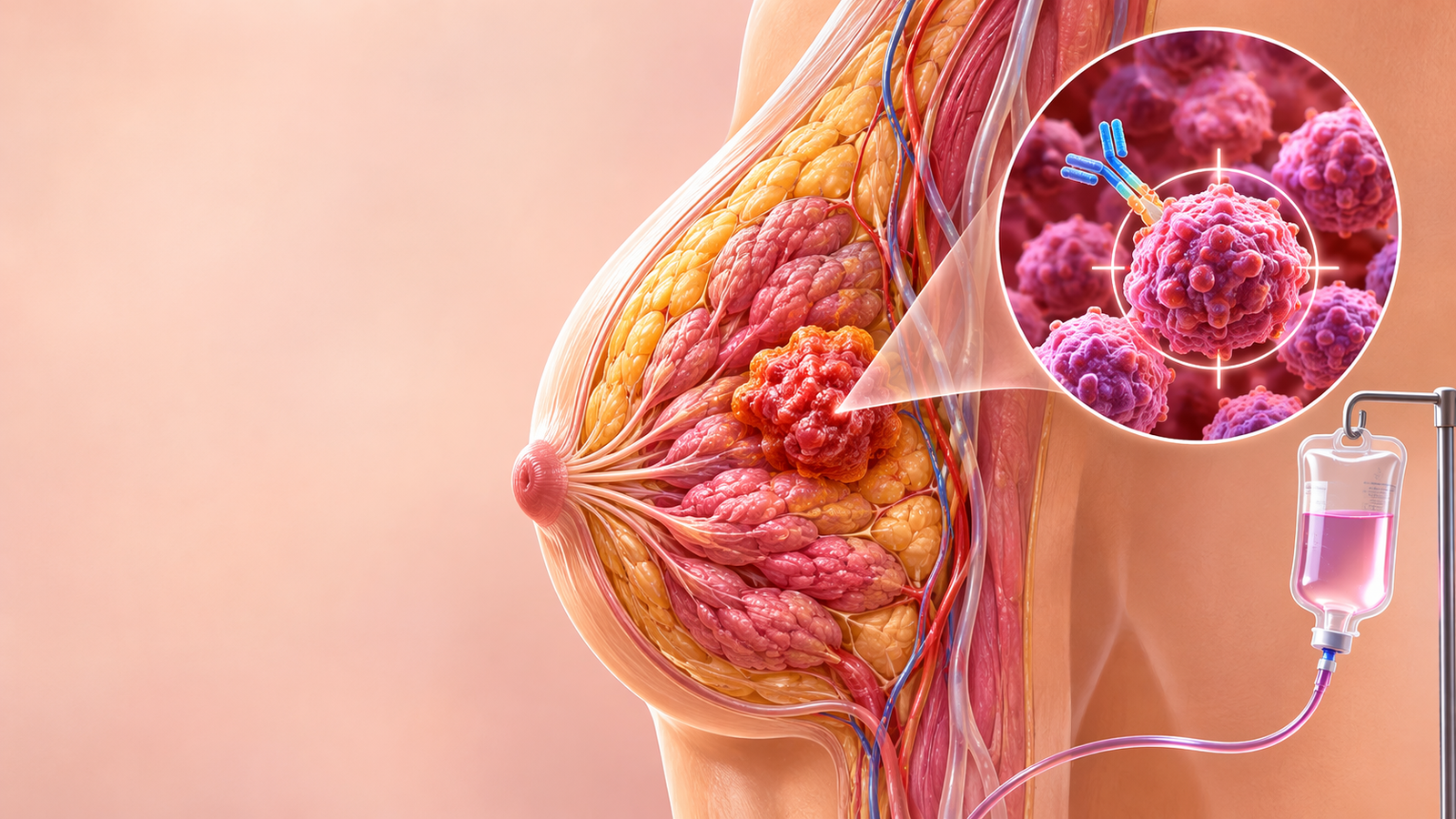
Breast cancer is a disease in which abnormal cells in breast tissue grow uncontrollably. It can affect women and, less commonly, men. The type of breast cancer, its stage and whether the cancer cells have oestrogen receptors, progesterone receptors or HER2 proteins all influence treatment decisions.
Breast cancer treatment may involve surgery, radiation therapy, chemotherapy, hormone therapy, targeted therapy or immunotherapy, depending on the diagnosis. Early diagnosis can expand treatment options, although outcomes vary from person to person.
For people seeking breast cancer treatment in Gurugram, a medical oncologist evaluates the pathology report, stage, receptor results and relevant medical history to help plan appropriate drug treatment.
Breast Cancer Symptoms: Changes That Need Medical Assessment
Breast changes do not always indicate cancer, but new, persistent or unexplained changes should be assessed by a qualified clinician. Do not rely on symptoms alone to diagnose or rule out breast cancer.
- A new lump in the breast or underarm.
- A change in breast size, shape or appearance.
- Nipple discharge that is not breast milk, particularly if bloody.
- Dimpling, thickening, redness or other persistent skin changes.
- A nipple that turns inward or develops a persistent change.
- Persistent or unexplained breast discomfort or swelling.
Related: Early signs of cancer
Breast Cancer Risk Factors
Breast cancer can develop without an obvious risk factor. Understanding personal and family history can help a clinician decide whether earlier assessment or genetic counselling may be appropriate.
- Increasing age.
- A family history of breast or ovarian cancer.
- Inherited genetic variants, including certain BRCA1 or BRCA2 variants.
- Certain hormonal and reproductive factors.
- Previous breast conditions or personal history of breast cancer.
- Some lifestyle and environmental factors.
Types of Breast Cancer and Why They Matter
Breast cancer is not one single disease. The pathology findings and tumour biomarkers help determine which treatments may work. Hormone receptor status and HER2 status are particularly important when selecting systemic therapy.
- Hormone receptor-positive breast cancer: treatment may include hormone therapy, sometimes with targeted medicines.
- HER2-positive breast cancer: HER2-directed medicines may be used when indicated.
- Triple-negative breast cancer: treatment may include chemotherapy and, for selected patients, immunotherapy or other appropriate options.
- Invasive ductal carcinoma: a common type of breast cancer that begins in the breast ducts.
- Invasive lobular carcinoma: breast cancer that begins in the milk-producing lobules.
- Inflammatory breast cancer: an uncommon, aggressive form that can cause redness and swelling.
How Is Breast Cancer Diagnosed?
Breast cancer assessment may include a clinical examination, mammography, ultrasound, biopsy and, in selected cases, MRI. A biopsy is generally needed to confirm the diagnosis. Pathology testing helps establish the cancer type and may include oestrogen receptor (ER), progesterone receptor (PR) and HER2 results.
These findings help the medical oncology team understand the tumour and select suitable treatment options. Additional tests may be recommended depending on the cancer stage, symptoms and clinical findings. Screening recommendations should be individualised according to age, personal history and risk.
Breast Cancer Treatment Options
Breast cancer treatment depends on the tumour subtype, stage, receptor status, previous treatment and the person's overall health. Systemic treatment may be given before surgery to shrink a tumour, after surgery to reduce the risk of recurrence, or for cancer that has spread beyond the breast.
Dr. Rajit Rattan's medical oncology role focuses on systemic treatment planning. Depending on the diagnosis, options may include chemotherapy, hormone therapy, HER2-targeted medicines, immunotherapy or other biomarker-guided treatments. Surgery and radiation therapy may also be important and are coordinated with the relevant specialists.
There is no single best treatment for every breast cancer patient. The recommended plan should reflect the clinical evidence and the individual's diagnosis and circumstances.
Related: Chemotherapy for cancer, Targeted cancer therapy, Immunotherapy for cancer, Precision oncology, Palliative and supportive care
When Should You Consult a Medical Oncologist for Breast Cancer?
A medical oncology consultation may be appropriate after a breast cancer diagnosis, when discussing chemotherapy or other drug treatments, or when pathology and biomarker results need to be considered as part of a treatment plan.
Patients preparing for a consultation can bring biopsy and pathology reports, imaging results, receptor and HER2 reports, previous treatment records and a current medication list. These documents help the clinician understand the diagnosis and discuss appropriate next steps.
Patients looking for breast cancer treatment in Gurugram can use the direct appointment contact details on Dr. Rajit Rattan's website to enquire about a consultation.
Questions patients ask
Where can I get breast cancer treatment in Gurugram?
People seeking breast cancer treatment in Gurugram can enquire about a medical oncology consultation with Dr. Rajit Rattan through the direct appointment contact details on his website. The appropriate treatment depends on the pathology report, cancer stage, receptor status and individual clinical circumstances.
Which doctor treats breast cancer?
Breast cancer care may involve a multidisciplinary team, including a breast surgeon, medical oncologist, radiation oncologist, radiologist and pathologist. A medical oncologist plans systemic treatments such as chemotherapy, hormone therapy, targeted therapy and immunotherapy when indicated.
What are the treatment options for breast cancer?
Depending on the cancer type and stage, treatment may include surgery, radiation therapy, chemotherapy, hormone therapy, HER2-targeted medicines or immunotherapy. The treatment plan is based on pathology findings, biomarkers, overall health and the expected benefits and risks.
What is HER2-positive breast cancer treatment?
HER2-positive breast cancer may be treated with medicines that target the HER2 protein, sometimes alongside chemotherapy or other treatments. The recommended combination and timing depend on the stage, previous treatment and individual clinical findings.
What is triple-negative breast cancer?
Triple-negative breast cancer is a subtype in which tumour cells test negative for oestrogen receptors, progesterone receptors and HER2. Treatment may include chemotherapy and, for selected patients, immunotherapy or other options depending on the stage and relevant findings.
Is breast cancer curable?
Many breast cancers can be treated successfully, particularly when diagnosed at an early stage. Whether treatment aims to cure the cancer or control it over the long term depends on the type, stage, response to treatment and individual circumstances.
Does every breast cancer patient need chemotherapy?
No. Chemotherapy is recommended when the expected benefit justifies its risks. Decisions depend on the cancer subtype, stage, receptor status, other pathology findings and sometimes genomic tests. Some patients may benefit more from other treatments.
What tests help decide breast cancer treatment?
Treatment planning commonly uses biopsy and pathology results, tumour grade, stage, ER and PR hormone receptor status, and HER2 testing. Additional imaging, genetic assessment or other tests may be recommended according to the diagnosis and clinical circumstances.
How can I consult Dr. Rajit Rattan for breast cancer treatment?
Use the direct appointment contact details on Dr. Rajit Rattan's website to enquire about a medical oncology consultation in Gurugram. Bring available biopsy reports, imaging, receptor and HER2 results, and previous treatment records.