What chemotherapy is
Chemotherapy is a systemic treatment. The medicines enter the bloodstream and can reach cancer cells beyond a single site. That is different from a local treatment such as surgery or a radiation field, which is aimed at a defined area.
Dr. Rajit Rattan plans chemotherapy as part of medical oncology care at Paras Hospital, Gurugram Haryana-Delhi NCR. A protocol is chosen from the cancer type, the stage, a person’s general health and, when it would change the drug choice, molecular information.
When it may be considered
Chemotherapy is not reserved for one moment in the illness. The reason for using it should be stated clearly before the first cycle.
- To treat some early-stage cancers, sometimes with the aim of cure
- Before surgery, to shrink a tumour (neoadjuvant chemotherapy)
- After surgery, to reduce the chance of cancer cells remaining (adjuvant chemotherapy)
- To slow cancer that has spread
- To ease symptoms and support quality of life when cure is not a realistic goal (palliative chemotherapy)
How treatment is organised
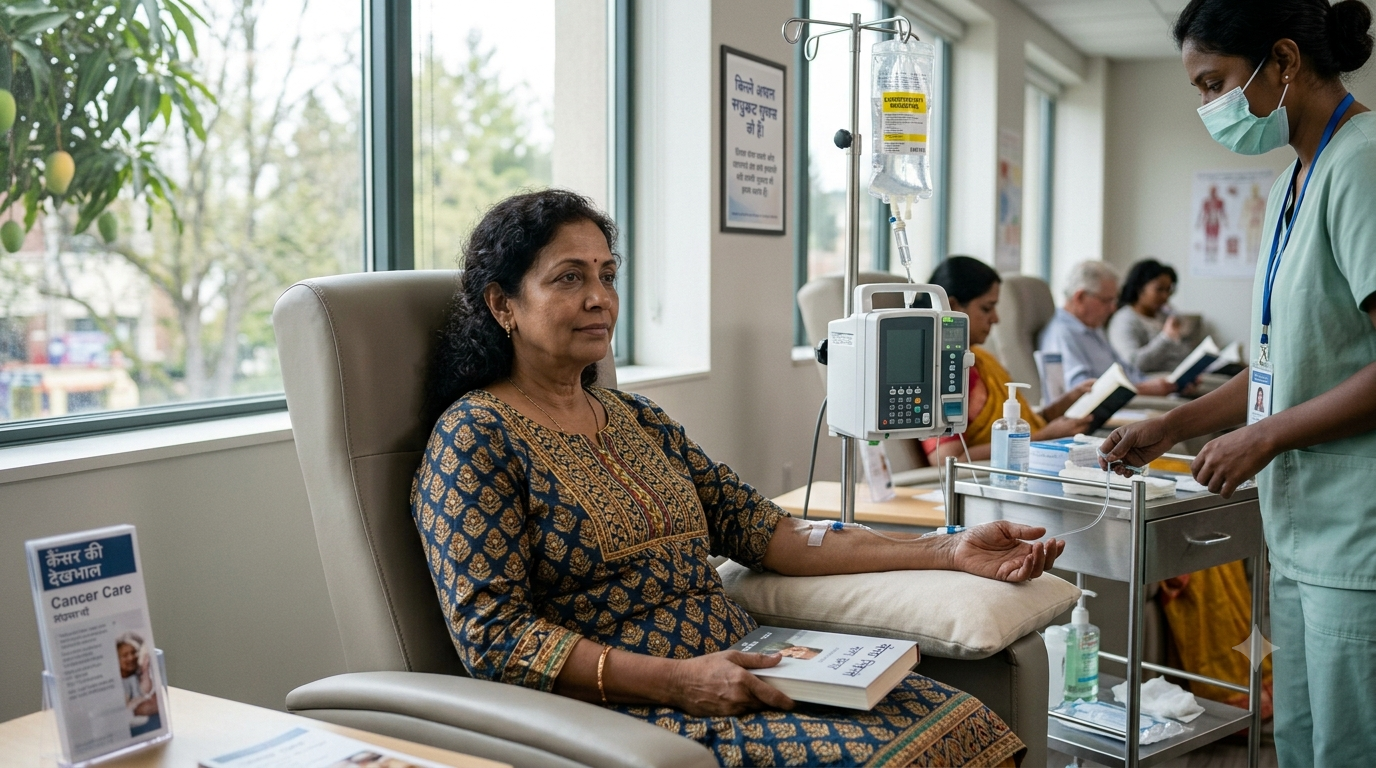
Many regimens are given in a day-care setting, with monitoring during the infusion. A session may last from about an hour to several hours, depending on the drugs. Cycles may run for weeks or for several months.
Chemotherapy is sometimes combined with targeted therapy, immunotherapy or hormone therapy. The combination, if one is used, is chosen because the cancer biology supports it — not because more treatment is automatically better.
Side effects and supportive care
Effects vary with the drugs. People may have nausea, fatigue, a lower appetite, hair loss, or a higher risk of infection. Not every regimen causes hair loss. Modern anti-sickness medicines and supportive care can reduce many effects, but they do not remove them for everyone.
Support during chemotherapy, as described in this practice, includes help with nausea, nutrition, pain and the practical strain of treatment. Those needs are part of the plan, not an optional extra.
Related: Palliative and supportive care
Cancers in which chemotherapy is often discussed
Chemotherapy is commonly part of care for breast, lung, colorectal, ovarian, head and neck and gastrointestinal cancers, and for some blood cancers such as leukaemia and lymphoma. That list describes where the treatment is often relevant. It is not a statement that every person with these diagnoses needs chemotherapy.
Related: Breast cancer, Lung cancer, Colorectal cancer
Questions patients ask
How long does chemotherapy last?
It depends on the cancer and the protocol. Some plans last a few weeks. Others continue for several months in cycles. The schedule is discussed before treatment starts and may be adjusted if side effects or the response require it.
Is chemotherapy painful?
Giving the medicine is usually not painful. Some drugs, and some side effects, can cause discomfort. Supportive medicines are used to reduce nausea and other effects where possible.
Can usual activities continue?
Many people keep parts of their routine, with changes on treatment days and when fatigue is significant. What is realistic differs from person to person and from cycle to cycle.
Does chemotherapy always cause hair loss?
No. Hair loss depends on the medicines used. Some regimens have little effect on the hair.
What does chemotherapy cost?
Cost depends on the drugs, the number of cycles, supportive medicines and hospital charges. A figure should be discussed before treatment. This website does not publish a price list.